
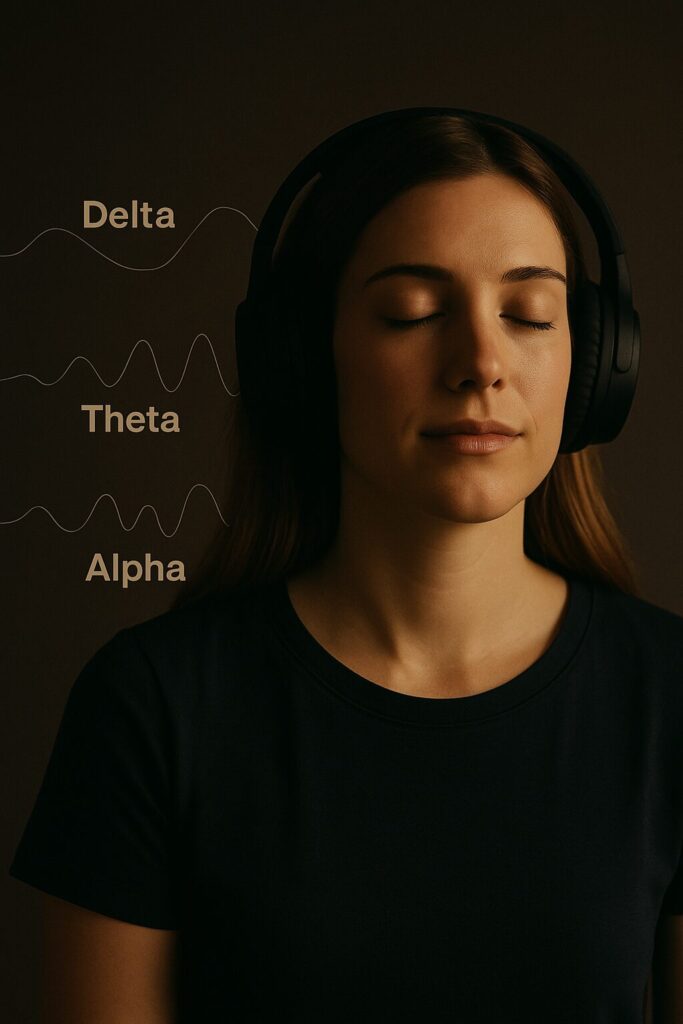
How Sound Affects Brainwaves
Sound is more than just what we hear—it’s a vibrational force that influences the body and brain at a neurological level. Certain auditory patterns can actually alter brainwave activity, guiding us into states of calm, focus, or even sleep. This is the foundation of sound-based brainwave therapy.
The Science of Sonic Entrainment
The key mechanism here is entrainment—the brain’s natural ability to synchronize its internal rhythms with external stimuli. When exposed to steady, repetitive auditory patterns, your brain begins to “follow” those rhythms. This is especially true when the frequencies used correspond to known brainwave ranges.
Techniques such as binaural beats and isochronic tones use this principle to stimulate specific brainwave frequencies. For example, playing slightly different tones in each ear (say, 200 Hz in the left and 208 Hz in the right) creates an 8 Hz difference—right in the alpha range. Your brain perceives this difference and naturally begins to resonate at that frequency.
How This Translates into Real-World Effects
Different frequency ranges correlate with distinct mental and physiological states:
- Delta (0.5 – 4 Hz) → Deep sleep, tissue regeneration, immune system support
- Theta (4 – 8 Hz) → Creativity, meditative calm, early sleep phases
- Alpha (8 – 12 Hz) → Relaxed focus, memory consolidation
- Beta (12 – 30 Hz) → Alertness, problem-solving, stress response
- Gamma (>30 Hz) → Integration of sensory input, high-level cognition
By carefully selecting and engineering soundtracks to emphasize certain frequencies, we can shift the listener’s brain activity toward a desired state. This makes audio protocols a powerful tool for managing jet lag, improving sleep, and restoring balance after long-haul flights.
From Music to Medicine
Not all sound is created equal. The therapeutic impact depends on structure, frequency, rhythm, and duration. While music can certainly affect mood, scientifically designed sound protocols target brainwave patterns with clinical precision.
At SoundDrugStore, our protocols are calibrated to gently nudge the brain toward regenerative rhythms—especially delta and theta. These states are essential for circadian realignment, making them ideal for travelers and shift workers.
Why It Matters for Jet Lag
Jet lag is a neurological and hormonal imbalance caused by a misalignment between your internal body clock and external time. By helping your brain enter restorative states during or after a flight, sound therapy can accelerate adaptation, reduce fatigue, and improve sleep quality—naturally and non-invasively.
Explore how our soundtracks support circadian recovery:
https://www.sdsjetlag.com
SoundDrugStore – the Sound Pharmacy.